
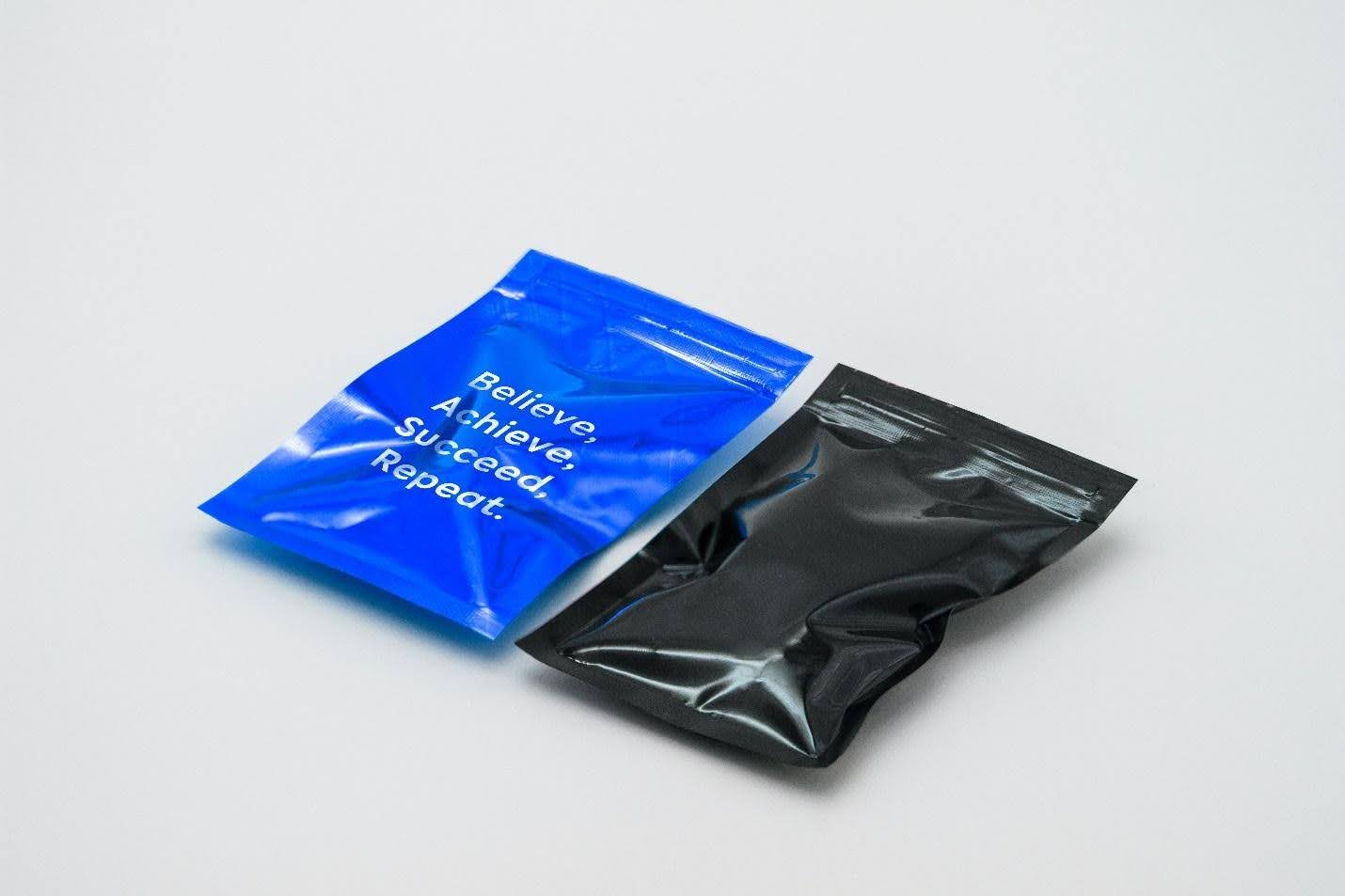
Cannabis packaging comprises the specialized materials and containers used to store, protect, and market marijuana products. It serves three main purposes: compliance with strict legal and safety standards, preservation of product freshness and potency, and brand differentiation on dispensary shelves. Because it is a highly regulated substance, the packaging must meet specific and region-specific guidelines.
Wholesale cannabis packaging must balance strict state regulations, such as child-resistant and tamper-evident features, with brand aesthetics and unit-level considerations. This comprehensive guide covers all you need to know about wholesale cannabis packaging.
1. Cannabis Packaging Requirements
Choosing the right wholesale cannabis packaging is critical for effective product preservation, brand identity, and regulatory compliance. As the cannabis industry expands, packaging requirements are becoming increasingly complex, requiring manufacturers and retailers to balance legal mandates with consumer preferences and sustainability concerns.
Cannabis packaging serves numerous functions beyond simply carrying the product because it must preserve freshness, prevent contamination, and protect against unauthorized access. When sourcing wholesale cannabis packaging, the business must consider material compatibility, durability, and scalability.
2. Product-Specific Packaging
Wholesale cannabis packaging enables businesses to obtain product-specific packaging. For instance, they can have unique packaging tailored to product requirements, such as flower, edibles, concentrates, and vapes.
The flower packaging preserves terpenes and prevents moisture loss. It includes glass jars, Mylar bags with zipper closures, and vacuum-sealed containers. These cannabis packaging options preserve freshness while supporting proper branding and compliance labeling.
The edible packaging must be food-grade, tamper-evident, and child-resistant while keeping the product fresh and visually appealing.
Concentrate containers prevent degradation and leakage by using silicone containers, glass jars with PTFE liners, and filling containers. In contrast, vape products require packaging that protects delicate components and shields them from damage.
3. Compliance and Regulatory Concerns
Regulatory compliance is the most critical factor in cannabis packaging. Requirements for regulatory compliance may vary from state to state, but generally they include: child-resistant mechanisms, tamper-evident features, warning symbols, THC content, and serving-size information.
Remember, compliance with child-resistant packaging is mandatory, as violations can result in hefty fines or license cancellations. However, most of the packaging must meet the ASTM D3475 standard or equivalent testing protocols.
4. Branding and Customization
Effective branding can drive customer recognition and loyalty. However, when discussing wholesale cannabis packaging, it must include clear labeling, including the product name and specifications.
For businesses seeking flexibility, labels and shrink sleeves offer adaptable branding options for standard cannabis packaging labeling. This approach enables the business to quickly and effectively make adjustments to design or compliance.
On the other hand, digital printing is a lower-cost option with variable-data capability, ideal for smaller runs. In contrast, offset printing provides superior color consistency for long-run volume orders.
5. Sustainability in Cannabis Packaging
Eco-friendly considerations are increasingly shaping wholesale cannabis packaging. Sustainable cannabis packaging must incorporate reusable, recycled, and recyclable materials, biodegradable materials, and minimalist designs that reduce material use. The cannabis industry is also exploring regenerative packaging options that not only promote sustainability but also actively enhance the environment throughout their lifecycle.